
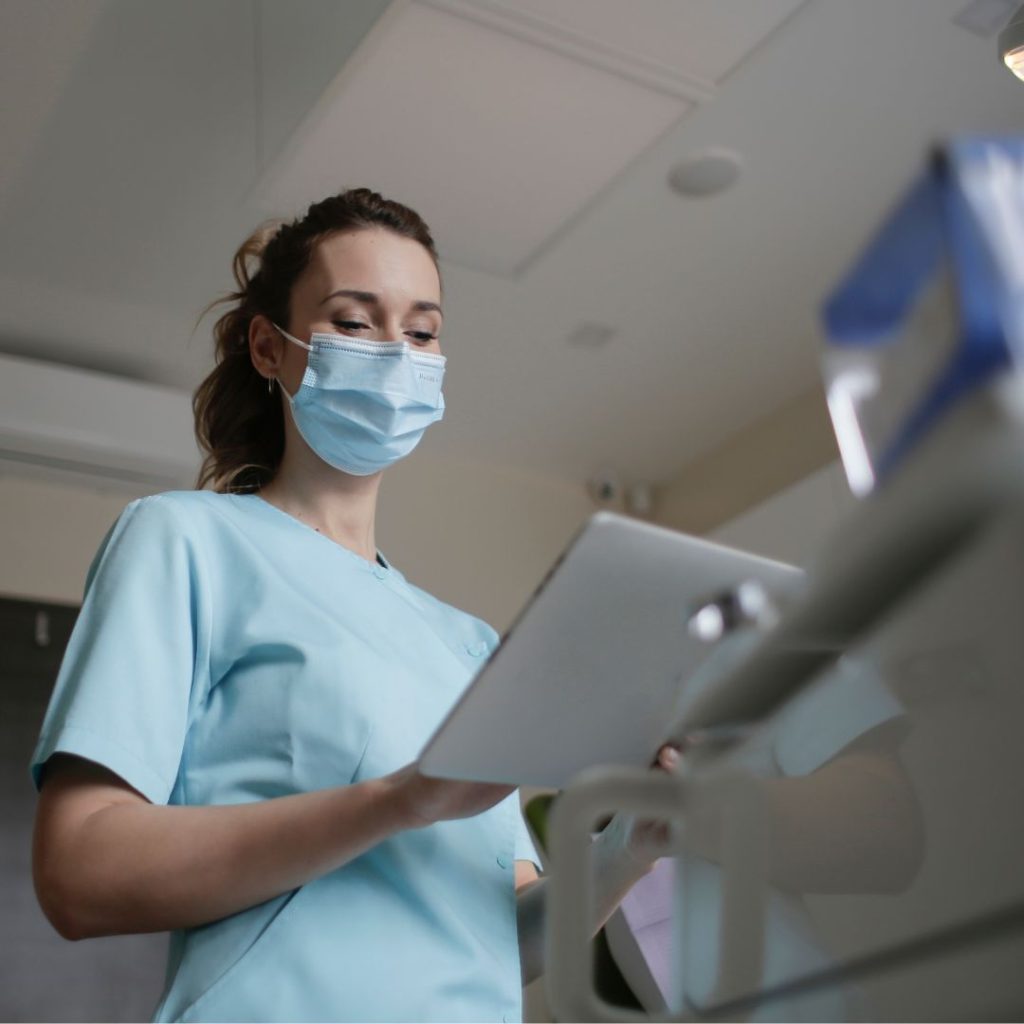
Regenerative medicine is transforming the way we approach healing and recovery. By harnessing the body’s natural ability to repair itself, regenerative medicine therapies offer promising alternatives to traditional treatments. Among these, non-invasive therapy plays a crucial role in promoting healing, reducing inflammation, and enhancing functional recovery without the need for surgical procedures. From platelet-rich plasma (PRP) injections to physical therapy and medical devices designed to stimulate tissue repair, non-invasive treatments are becoming essential components of regenerative medicine strategies.
Understanding Regenerative Medicine and Non-Invasive Therapy
Regenerative medicine focuses on restoring damaged or diseased tissues through innovative approaches such as stem cell therapy, tissue engineering, and growth factor treatments. By leveraging mesenchymal stem cells derived from bone marrow or adipose tissue, researchers and medical professionals are developing non-invasive solutions that promote healing at the cellular level.
Unlike traditional surgical procedures, non-invasive treatments work with the body’s healing response to stimulate tissue repair and regeneration. These therapies are particularly beneficial for patients suffering from sports injuries, chronic pain, and degenerative conditions, offering a conservative treatment approach with minimal risks.
The Science Behind Non-Invasive Therapy in Regenerative Medicine
Non-invasive therapies enhance the body’s ability to heal by targeting the root cause of tissue damage. Platelet-rich plasma (PRP) injections, for example, use a patient’s own blood to concentrate growth factors and promote tissue healing in affected areas. PRP therapy has been widely used in treating conditions such as tennis elbow, Achilles tendinosis, and spinal cord injuries.
Another promising area of non-invasive regenerative medicine is the use of medical devices that aid in tissue healing. Special machines that utilize image guidance and direct injection techniques ensure that treatments are delivered precisely to the injured area, enhancing treatment efficacy.
Additionally, physical therapy plays a vital role in regenerative medicine by supporting functional recovery and preventing further damage. Through targeted exercises, manual therapy, and movement-based treatments, physical therapists help treated patients regain strength and mobility, ultimately promoting long-term healing.
Key Benefits of Non-Invasive Regenerative Medicine Therapies
- Minimally Invasive Approach – Unlike surgical procedures, non-invasive treatments eliminate the need for incisions and long recovery periods.
- Reduces Inflammation – Many regenerative medicine treatments, including PRP injections and stem cell therapy, target inflammation at the cellular level, helping to relieve pain and restore function.
- Supports Tissue Repair and Regeneration – Non-invasive therapies stimulate the body’s natural healing process, allowing new tissue to form in damaged areas.
- Enhances Mobility and Function – Through conservative treatments like physical therapy, patients can improve movement and prevent future injuries.
- Effective for a Broad Range of Conditions – From sports medicine specialists treating injured tissues to orthopedic surgeons exploring regenerative options, non-invasive therapies can address various musculoskeletal and degenerative conditions.
The Future of Non-Invasive Therapy in Regenerative Medicine
As research shows continued advancements in regenerative medicine, the integration of non-invasive treatments is expected to expand. Clinical trials are currently exploring new ways to harness the healing power of stem cells, platelet-rich plasma, and tissue engineering to offer alternative treatments for conditions that once required invasive surgical interventions.
Emerging technologies such as image-guided regenerative injections and biomaterial-based therapies are also paving the way for more effective, non-surgical options. The goal is to provide safe and efficient regenerative medicine treatments that enhance the body’s healing response while minimizing risks and recovery time.
Non-Invasive Therapies in Sports Medicine and Chronic Pain Management
Non-invasive regenerative medicine is particularly beneficial for individuals suffering from chronic pain and sports-related injuries. Sports medicine specialists frequently recommend PRP injections and stem cell treatments to accelerate recovery and restore function. Conditions such as tendonitis, ligament tears, and cartilage damage have shown significant improvements with non-invasive regenerative medicine treatments.
For chronic pain management, therapies such as PRP and stem cell treatment offer long-term relief by addressing the root cause of discomfort rather than just masking symptoms. Many patients dealing with arthritis, joint pain, and nerve damage have experienced functional recovery and improved mobility through these non-surgical options.
How Non-Invasive Therapy Enhances the Body’s Natural Healing Process
Regenerative medicine strategies emphasize the body’s ability to heal itself. Growth factors, mesenchymal stem cells, and tissue engineering techniques are used to regenerate damaged tissues without surgical intervention. When combined with physical therapy, these treatments optimize the healing process and enhance overall outcomes for adult patients.
For example, stem cell therapy has been used to replace damaged tissues by stimulating new tissue growth. Pluripotent stem cells and embryonic stem cells are being studied in clinical trials to assess their potential in repairing nerve damage and improving spinal cord function.
Additionally, non-invasive therapies like PRP injections target the affected area, reducing inflammation and accelerating healing. This approach has been particularly successful in treating conditions such as rotator cuff injuries, knee osteoarthritis, and chronic tendinopathies.
Explore Advanced Non-Invasive Regenerative Solutions with ReGen Medical Network
At ReGen Medical Network, we offer advanced, non-invasive regenerative medical devices engineered to restore health, build strength, and enhance beauty. Our solutions cater to various needs, including performance medicine, holistic wellness, aesthetics, and sports recovery.
Contact ReGen Medical Network today to explore how our innovative regenerative medical devices can help you achieve optimal health and well-being.